
Pago Pago, AMERICAN SAMOA — More good news for consumers: the new wholesale price or maximum allowable price (MAP) for all petroleum products sold in American Samoa will see another decrease, according to the new MAP - effective Feb. 1-14th - released yesterday by the ASG Office of Petroleum Management (OPM).
“Let's enjoy another 2 weeks of lower prices at the pump. It appears that the drop will level off and may start increasing in the Feb. 15th MAP,” said OPM petroleum officer, Sione Kava in releasing the latest MAP through the OPM fuel report, which shows a drop of between 10-cents and 12-cents per gallon for petroleum products sold in the territory.
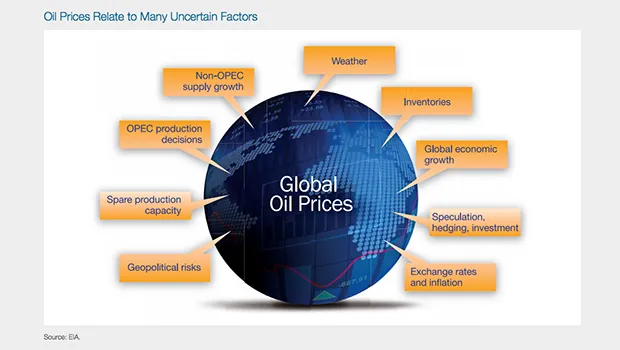
Based on the global market, OPM attributes the decrease to the “continued downward trip” of crude oil cost, as supplies remain abundant while demand and consumption drop.
OPM says that following the global trend, the price of fuel sold by the refinery in Singapore — where American Samoa and the rest of the neighboring islands get their fuel —continues to drop, which affected the December MAP and has continued to the first half of February.
“OPM is keeping ahead of the changing market, assuring the most reasonable cost of fuel for American Samoa,” according to the OPM report.
The new MAP notes a 12-cent decrease in gasoline (or Mogas); diesel products such as road, boilers/generators, commercial fishing vessels and other marine diesel; and the ultra-low sulfur for road diesel and ultra-low sulfur diesel for boilers/generators.
For jet fuel and kerosene, it's a 10-cent decrease.
OPM said the Local Retail Price Survey and Regional Retail Price Survey will be available on Feb. 5th, two working days after the new MAP goes into effect.
Average price of gasoline on island as of last week is $3.38 per gallon while diesel fuel is $3.76 per gallon.
For the future - over the horizon, from AAA Report - OPM notes in its fuel report that increased political turmoil in Venezuela, which has seen reduced crude production during its prolonged political upheaval and economic decline, could elevate crude prices.
Moreover, OPEC and non-OPEC producers, including Russia, announced that beginning in 2019, they will reduce crude oil production for an initial six-month period. “This move could drive crude oil prices up, and in turn, drive prices higher,” it says.


Comments
Sorted by BestComments are powered by Disqus. By commenting, you agree to their privacy policy.
Powered by Disqus